
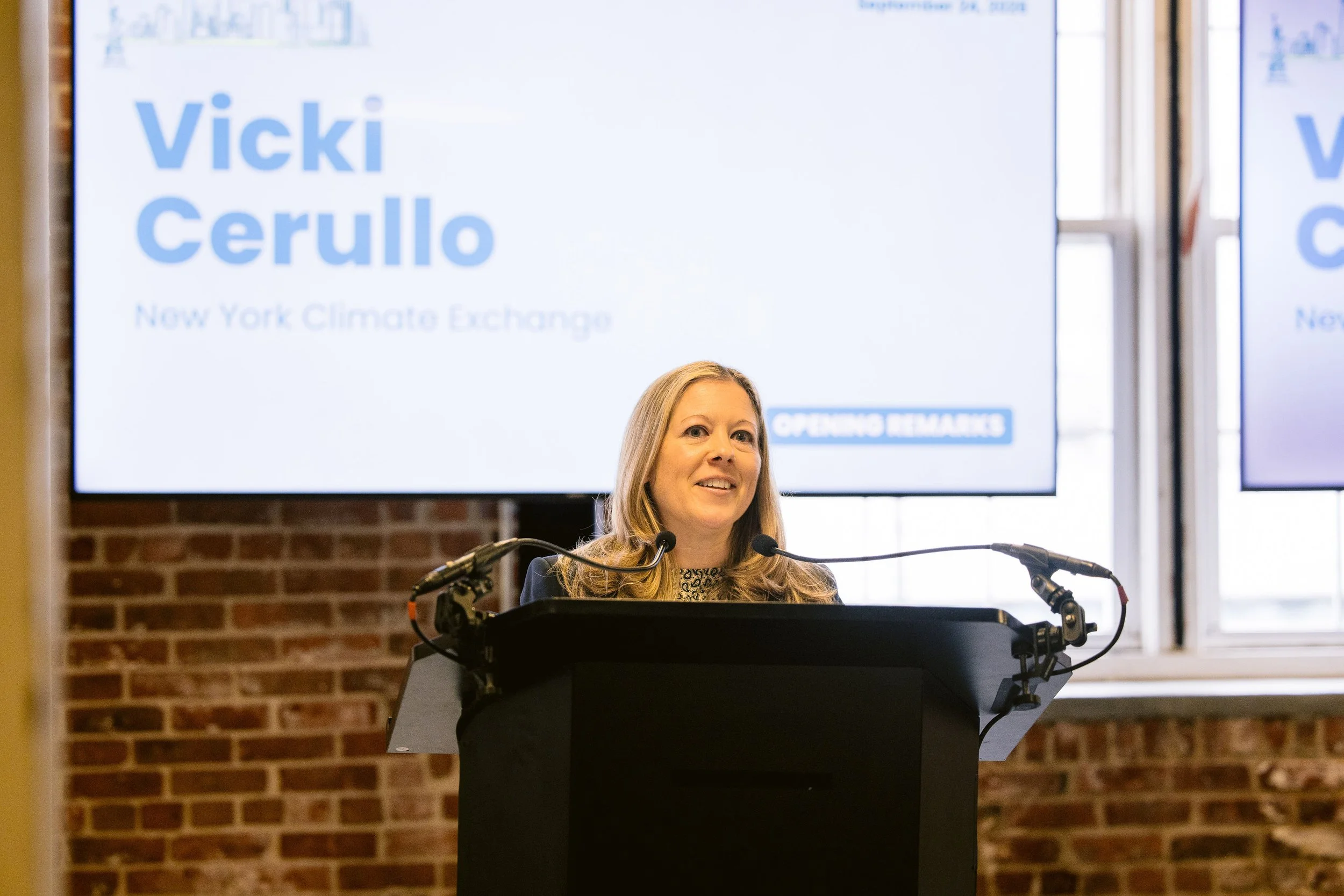
By Victoria Cerullo, Director of Urban Engagement
COP31, the UN climate conference in Antalya, Türkiye, officially ended two days ago, after a marathon overtime session of negotiations fell short of producing the broad “cover statement” that had been a stated goal of the co-hosts, Türkiye and Australia. As a result, many headlines about the conference have referred to it as a “failure” or a “collapse”, but this doesn’t capture the full story. I had the privilege of representing The New York Climate Exchange at COP 31 in Antalya, and though I would have liked to see stronger commitments on global decarbonization and climate financing, these words do not capture the sentiment felt at pavilions and halls as subnational governments from New York State and across the world shared climate solutions and action.
Cities and States Are Still Driving Climate Progress
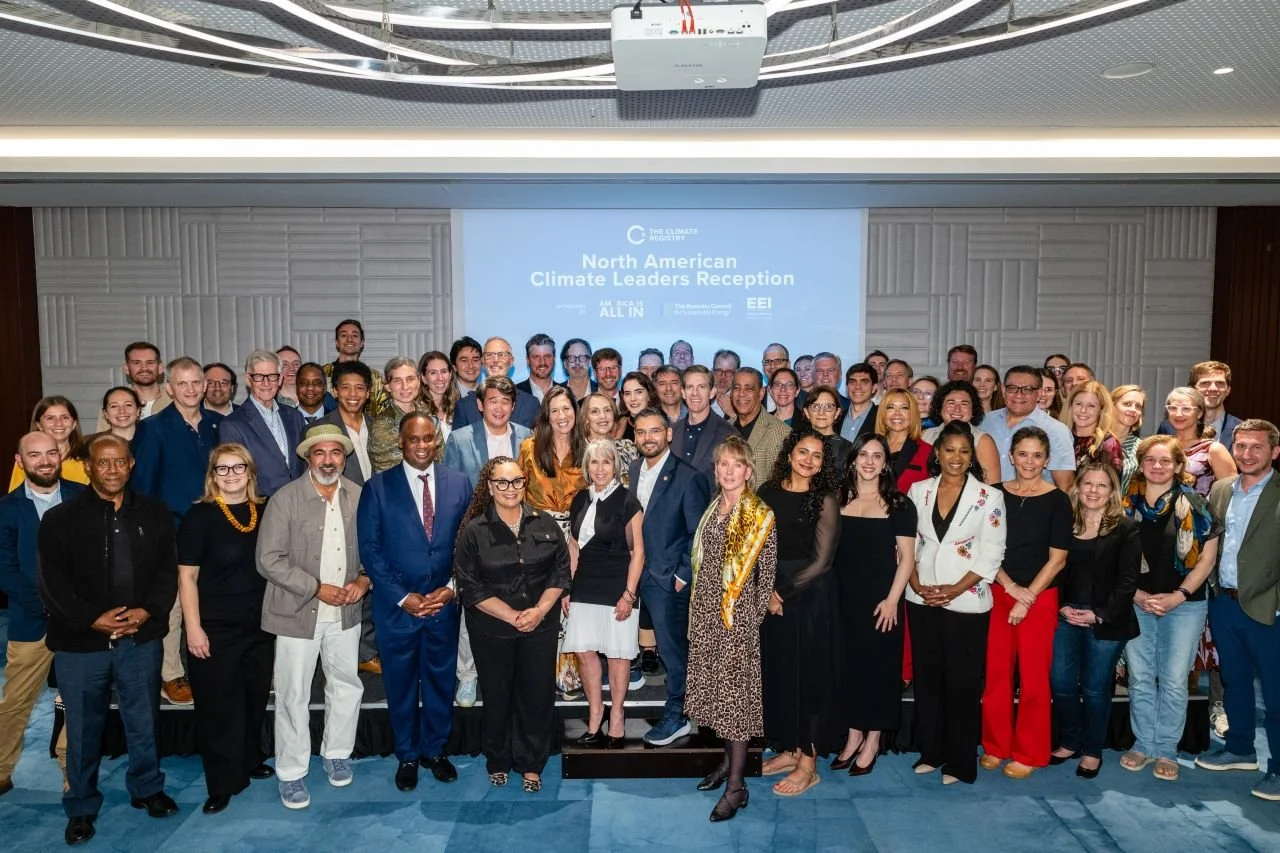
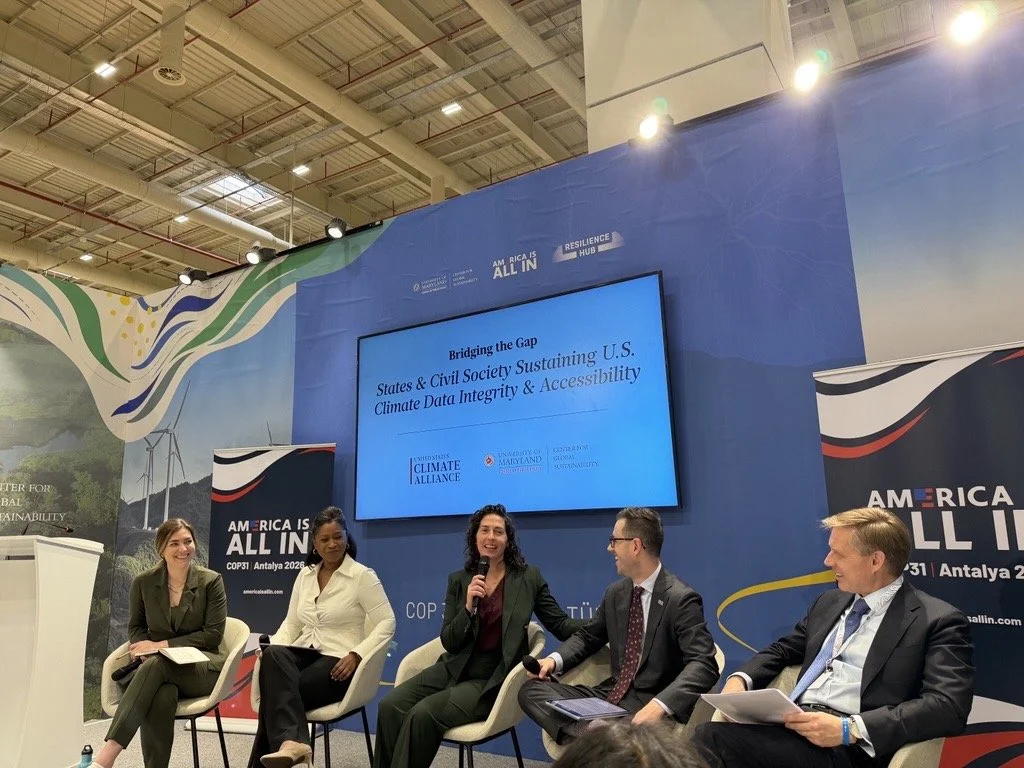
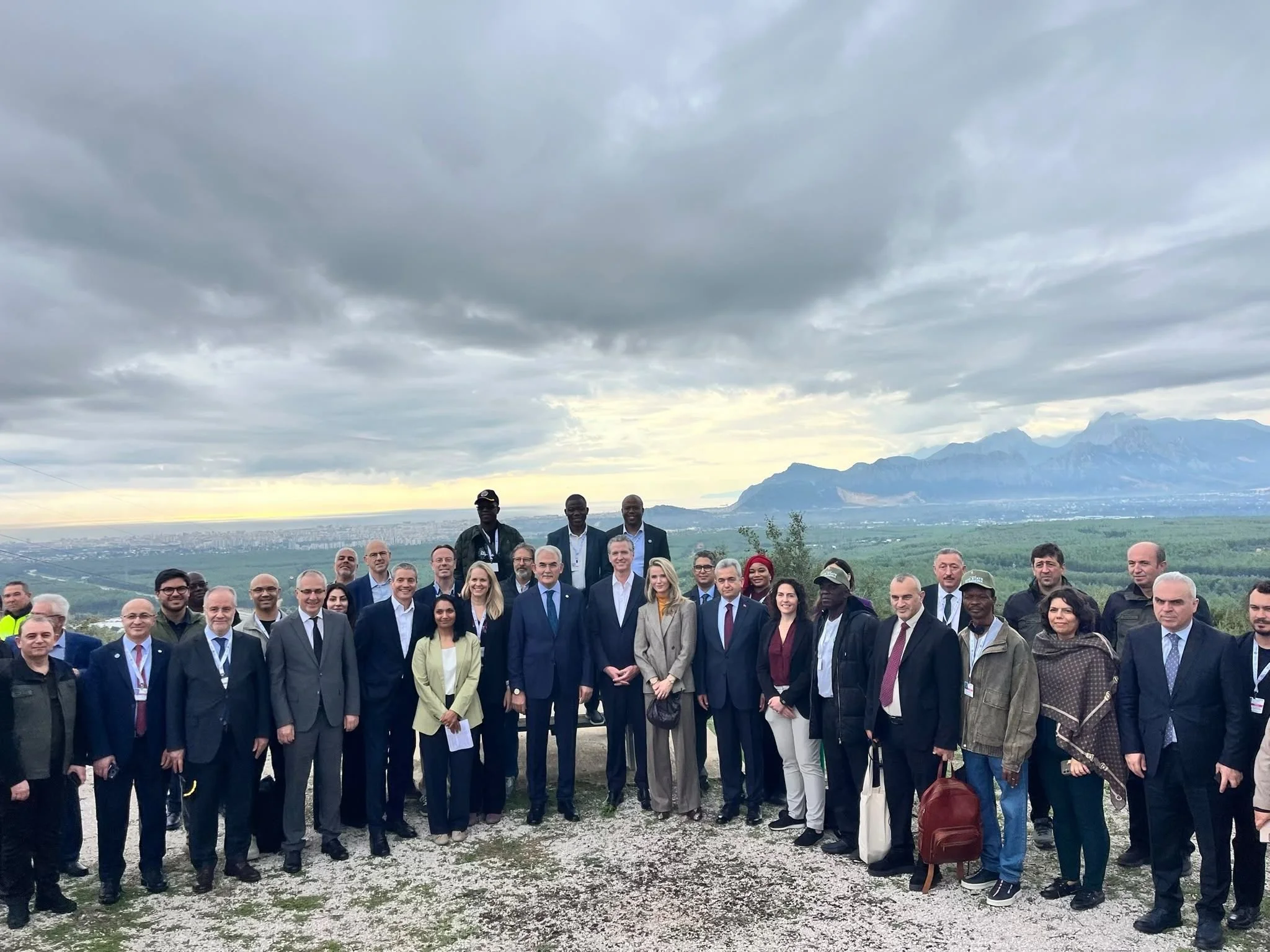
I traveled to Antalya as a member of the America Is All In delegation, a powerhouse cross-sector group that highlighted the climate action of governors, mayors and other subnational leaders like Gina McCarthy, Anne Hidalgo, Gavin Newsom, Serena Coleman McIlwain, Doreen Harris, Amanda Lefton, and Janet Cowell. These seasoned climate leaders, joined by 18 members of Congress, and many others, showed that, despite a federal executive branch that has opted out of the COP process, the U.S. is still a center of climate innovation and determination to act. The America Is All In Pavilion was a groundswell of activity and point of interest for many COP attendees from other countries.
An 18-member delegation of the U.S. House of Representatives in attendance with America Is All In will now turn to implementing over 800 policy recommendations providing affordability, clean energy, resilience and a just transition from the Thriving Economy Plan, a collaboration with Sustainable Energy and Environment Coalition (SEEC) Institute.
Progress on Urban Climate Resilience
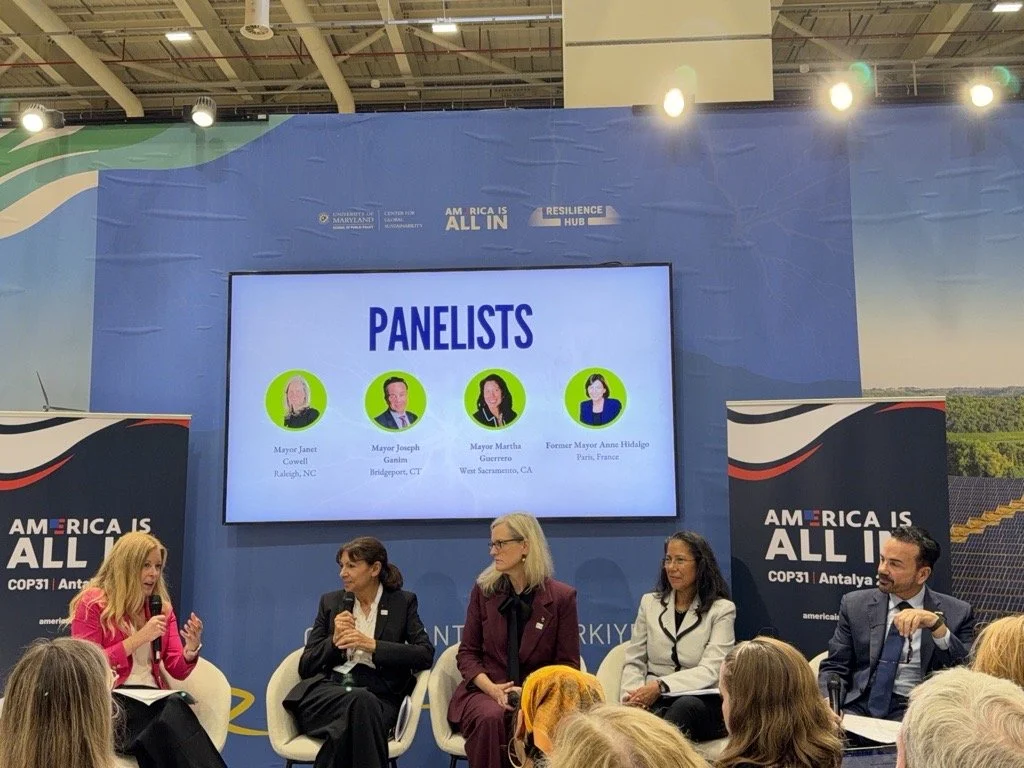
For the first time at a UN climate conference, the COP31 Leaders’ Summit dedicated a high-level dialogue to urban resilience, adaptation, and climate action. National and local leaders, financial institutions, and other partners addressed the acute impacts of climate change felt in cities, which often exacerbate other major challenges. To give one example: up to three billion people around the world lack adequate housing, while more than one billion live in informal settlements, often exposed to floods, landslides and extreme heat.
Given my time spent on city climate policy in New York City and as a C40 Cities U.S. board member, I was unsurprised yet inspired to see some real commitments come from cities at COP. Before the conference even began, mayors representing more than a quarter of a billion people announced new actions they plan to take in the next 12 months to cut emissions, protect communities from extreme weather, and accelerate climate action. Addis Ababa, Ethiopia (host of the COP32 conference next year) will develop an early warning system for flooding that will combine real-time river monitoring with emergency training, helping households living near vulnerable riverbanks prepare before floods hit. London will coordinate action through Heat Ready London, its first dedicated heat plan, to protect residents from dangerous temperatures in homes, schools, hospitals, care settings and public spaces.

Prevailing Themes: Progress on Electrification and Climate Finance
New and existing initiatives aimed at specific areas of climate mitigation and adaptation also gained support and momentum at the conference. Türkiye’s 35-by-35 proposal to make electricity the source of 35% of the world’s final energy use (up from about 23% today) by 2035 attracted signatures from more than 75 countries and 180 businesses. Although deadlock around fossil fuel language is being broadly cited as the reason for the conference ending without a broad new agreement, this strong signal to shifting energy consumption toward electricity and away from fossil fuels is an important step in the right direction.
The question of how to finance state-sponsored climate action, especially in the Global South, was once again a topic of much discussion and debate. Although there were no major new financing deals struck, talented people around the world are tirelessly striving to unlock this major obstacle. Climate finance is a major focus for The Exchange, and many of the conversations I participated in and overheard in Antalya echoed discussions at two of our Climate Week NYC events, Financing Large-Scale Transition, with Duke University and Fortescue and Building Forward: Cities Advancing Energy Efficient Homes, where we brought together leaders from twelve cities across the country to workshop finance solutions. Post-COP, we will continue to facilitate discussions among governments, universities, and private sector companies to get financial resources where they’re most needed for climate action.
What’s Next
It’s worth noting that the Nationally Determined Contributions (NDCs), agreed upon at COP21, as part of the Paris Agreement, remain intact. Each signatory to the Paris Agreement remains bound to pursue their NDCs and continue to provide updates to the rest of the organization. While progress toward those commitments is too slow, they remain the benchmark for national climate progress.
Looking ahead, the first-ever “Oceans COP” here in New York City is just seven weeks away! Oceans, which cover 70% of Earth's surface, are an often overlooked part of the climate conversation. The Exchange, along with its partners, will be presenting programming connecting global goals to local action in NYC and other coastal cities.
Headlines about COP don’t tell the whole story. COP31 did miss the mark on producing a big, momentum-signaling agreement, but flawed as it may be, COP is the only multilateral process that we have that brings all nations to the table around climate action. This year’s conference gives us a better picture of where countries actually are against our current backdrop and exposes the chasm that exists between the global north and south – not hidden by a glossy document that refuses to name fossil fuels as the primary driver of climate change. While disappointing, alongside these negotiations, there was momentum, solutions sharing, and real progress to celebrate at the subnational level, and plenty of progress to build on in the coming weeks and months.